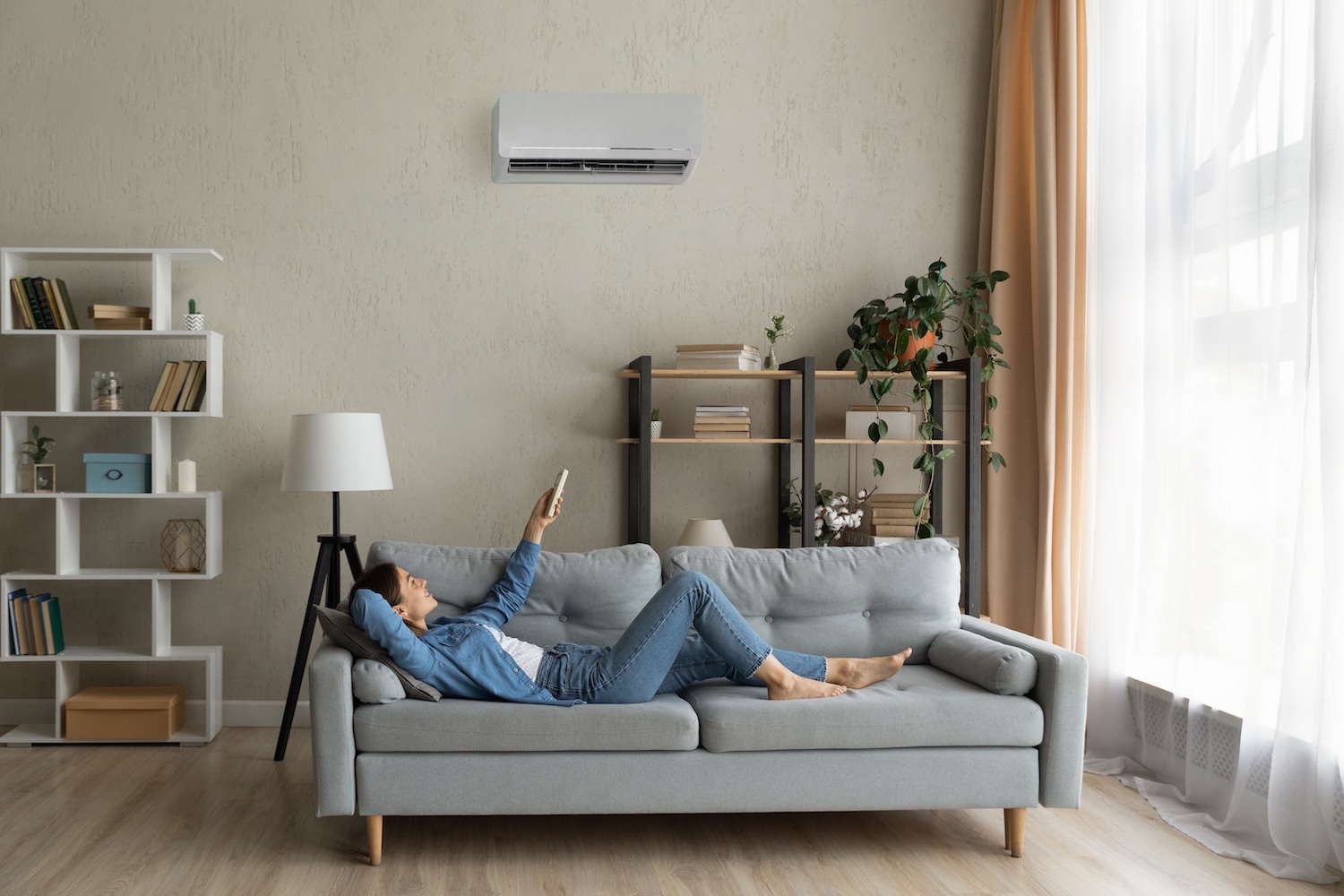
As humidity levels rise across Montreal and Laval in late May, the sudden appearance of strange odors when starting up the AC drives homeowners to look for immediate, actionable solutions. This article addresses the problem from a technical and sanitary angle, explaining “Dirty Sock Syndrome” and the necessity of microbial decontamination.
The musty, stale, or sour smell coming from your air conditioner is caused by “Dirty Sock Syndrome”—a common HVAC phenomenon triggered by the accumulation of bacteria, mold, and biological spores on damp evaporator coils and blower wheels, requiring professional deep cleaning and microbial disinfection to resolve.
What exactly is Dirty Sock Syndrome in air conditioning?
With the arrival of early summer humidity in Quebec, homeowners switching on their cooling systems are often met with an unpleasant surprise: a sharp, pungent odor reminiscent of wet dust or unwashed gym clothes. In the HVAC industry, this precise issue is known globally as Dirty Sock Syndrome.
This odor is far more than a minor cosmetic inconvenience. It is a warning sign that micro-organisms—including fungal spores, mold colonies, and airborne bacteria—have taken root inside your system. During the cold winter months, these organisms feed on the organic dust (like skin cells and pet dander) that settles inside the unit. When the AC starts pulling moisture out of your home’s air during the summer, these dormant colonies activate and release volatile organic compounds (VOCs) directly into your living spaces.
The biology of HVAC biofilm: Where does the smell hide?
To permanently neutralize this smell, you have to go beyond surface cleaning. Sprays, air fresheners, and chemical scented pucks only mask the odor temporarily while allowing the underlying biological growth to expand deep within the mechanical infrastructure.
The Evaporator Coil Ecosystem
Your indoor evaporator coil is designed to be cold and damp during the cooling cycle. Its thousands of ultra-thin aluminum fins act as a micro-filter, trapping fine airborne dust that manages to bypass your standard mesh filters. This continuous mixture of standing condensation and organic matter creates a perfect matrix for the development of a biofilm—a resilient, slimy shield of bacteria that tightly adheres to the metal surfaces.
The Condensate Pan and Drain Line
The moisture pulled from your indoor air drips down the coils into a narrow condensate pan before draining outside. If this pan is filled with renovation dust, pollen, or pet hair, the water stagnates. The drain line slowly chokes, turning the standing water into a highly foul-smelling bacterial sludge that frequently leads to indoor water leaks down your drywall.
The health risks: Indoor air quality and respiratory safety
Breathing air that is constantly recirculated over a contaminated, mold-ridden blower wheel can have measurable effects on your family’s physical well-being. Individuals suffering from asthma, seasonal allergies, or compromised immune systems are highly vulnerable to these airborne triggers.
Common health symptoms associated with a contaminated, uncleaned AC unit include:
- Frequent morning sneezing fits and unexplained nasal congestion.
- Persistent throat irritation, coughing, and dry, watery eyes.
- Chronic headaches or fatigue that magically clear up when leaving the house.
A comprehensive air duct cleaning and indoor unit decontamination effectively sterilize your breathing zone, restoring a healthy, safe indoor environment.
The Ultra Air solution: Complete biological eradication
Over-the-counter retail aerosol sprays lack the chemical concentration and structural reach required to dissolve an advanced, hardened biofilm. Furthermore, improper application of retail chemicals can permanently short-circuit the sensitive electronic control boards inside your modern ductless mini-split or central system.
At Ultra Air Inc., our deep decontamination protocol relies on precise mechanical and chemical actions designed to safeguard your equipment while removing 100% of contaminants:
- Industrial Bio-Cleansing Foam: We inject a specialized, self-expanding antimicrobial solution deep between the aluminum coil fins to dissolve the sticky biofilm matrix and lift buried sediment.
- Calibrated Pressure Rinsing: Using our specialized “bib” containment bag system, we completely isolate your wall unit. We flush the coils, internal housing, and blower wheel with a high-volume water rinse, safely channeling all black sludge, mold, and dirty water out into our containment buckets without a single drop hitting your walls or flooring.
- Antifongic Sanitization Shield: We apply an eco-friendly, EPA-approved sanitizing treatment to the internal components, laying down a protective barrier that actively repels mold and bacterial colonization throughout the high-humidity summer season.
Why your air exchanger needs a concurrent inspection
If you live in a tightly sealed modern home in Laval or a condo development in Montreal, the sour smell could also be emanating from your centralized ventilation network. Throughout the spring thaw, your air exchanger (VRC/VRE) draws in large quantities of pollen, organic debris, and insect matter. If the inner core or the distribution trunks remain clogged with past accumulation, the fresh air pushed into your bedrooms is compromised at the intake source. True indoor air purity requires verifying the entire loop.
FAQ: Neutralizing AC Odors and Summer Maintenance
- Will the musty smell go away on its own if I keep running the AC?
No. Once bacteria and mold establish a biofilm on the evaporator coils, summer humidity provides a continuous source of moisture to feed the colony. The odor will steadily worsen over time. - Does your process remove the black spots I can see inside the vents?
Yes. That black residue is typically a combination of sticky urban carbon soot and active surface mold. Our high-pressure wash completely strips this buildup from the plastics, louvers, and fan blades. - What is the standard cost to eliminate AC odors in the Greater Montreal Area?
A comprehensive technical cleaning and chemical decontamination using our specialized bib wash system ranges between $350 and $600, depending on the configuration and general contamination levels. - How long does the service take?
The complete process takes roughly 2 to 4 hours. The purifying effect is instantaneous, and you can safely operate your air conditioner to enjoy crisp, clean air the moment our NADCA-certified technicians complete the work.
View this post on Instagram
Latest Blogs
Why Wall-Mounted AC Systems Fail in Late May and How to Restore 100% Airflow
When an air conditioner runs with a choked interior, the thermodynamic cycle is disrupted. The unit cannot absorb indoor heat effectively. Instead of a crisp breeze, you are met with lukewarm air, or worse, an indoor unit that begins to leak water down your wall because the internal drainage line is blocked by winter sludge.
The Science of Spring Air: Why Your HVAC System is the Key to Allergy Relief in Quebec
As the Greater Montreal Area shifts from heating to cooling, your home’s air quality faces a unique challenge. After a long winter of being tightly sealed against the cold, your HVAC system has likely accumulated a significant volume of "winter dust,"
The Athletics of Airflow: Why School Gymnasium Duct Cleaning is a Technical Requirement
The Hidden Science of Indoor Air: Why Your Montreal Home Stays Dusty Despite Constant Cleaning
Persistent household dust is often caused by a “closed-loop” contamination
Why Your Mini-Split Needs a “Deep Clean” After a Quebec Winter
Professional cleaning of your mini-split or heat pump
Post-Construction Duct Cleaning
Post-construction duct cleaning is the specialized process of removing heavy